
Farming on a knife edge
And; it's National Farmers' Market week

Welcome! I’m here every week with stories about food and farming, markets, food history, interviews, farm and producer stories. Thank you for joining me. If you enjoy reading this piece, please click on the heart button to like it; it helps more people to find me.
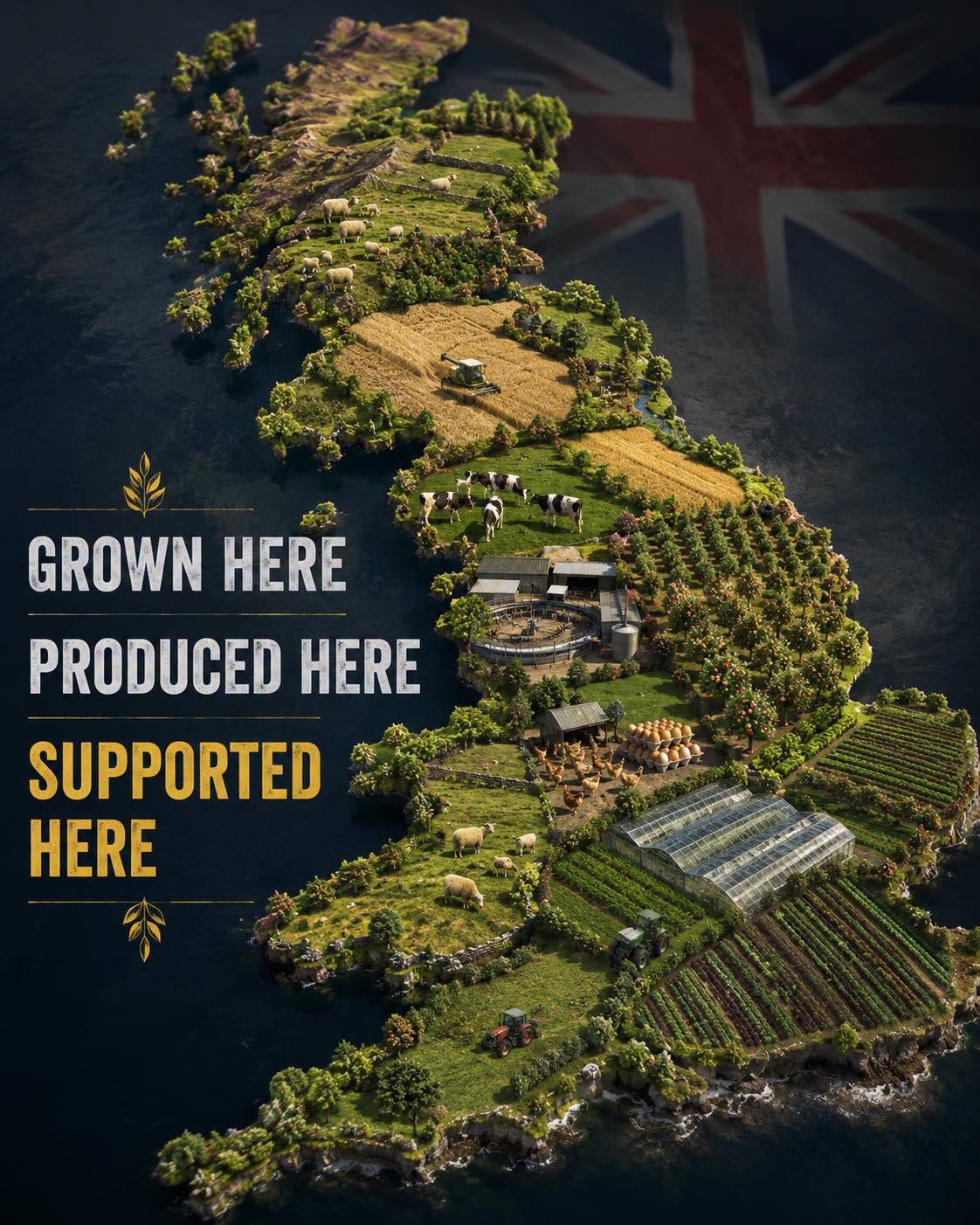
Farming on a knife edge
It’s hard enough for farmers at the best of times. Apocalytpic weather has repercussions that stretch far into the future. On top of the drought, wild fires are horrific and heart breaking; not so long ago, farms in Spain were affected by widespread flooding. Now it’s fire. Crowd Farming sent out a message about an avocado farm in Spain that’s been destroyed.
Right now with over half of the UK under drought conditions, livestock farmers are using this year’s hay and silage to make up for poor grazing.
Farmers are facing; increased field fire risks during harvesting; farmers are doing a heroic job digging fire breaks.
Growing restrictions on water abstraction for irrigation.
Concerns about the state of soils for planting winter crops.
The NFU in England has called on the government to review planning rules to make it easier for farmers to secure short and long term additional water supplies as droughts become more common. According to Farming Life; ‘‘The response was a perfect example of how out of touch the government is with reality when it comes to farming. It simply said it had already invested £12 billion in sustainable farming practices.’’
Autumn and Winter harvests are likely to have lower yields, with some crops growing slower, smaller, or giving up trying. Grain estimates for the UK are down by 9 million tonnes since June and well down from last year’s final harvest. It’s a similar picture across Europe. Animal stress, lack of water, infrastructure costs increasing…who’d be a farmer right now.
Food prices are predicted to increase by 50% this winter.
The last time DEFRA published a farmer opinion tracker in April 2025, they stated ‘Farmers on 72% of holdings were not at all confident that changes to schemes and regulations will lead to a successful future for farming. This has remained consistently high during the lifetime of this survey.
‘Only 33% of farmers felt positive about their future in farming. 4% felt very positive.’
Farmers need to be certain that the government will strengthen resilience to climate volatility.
Helen Freeman has written an excellent piece about the current situation.
I commented with one of my bugbears about the UK government. Over the years whenever I’ve attended large food events, Food from Wales and Scotland would have large stands promoting what they do best, showcasing the foods they’re proudest of, made in Wales, grown in Scotland. England? Nothing. What does the UK government promote? Export, export, export. I’ve written about it several times so excuse the repetition but I do think it’s important. Why is the UK government exporting tomatoes grown by UK farmers and importing tomatoes from The Netherlands? It makes no sense.
Why aren’t farmers concentrating on growing as much food as they can for the domestic market, raising animals to a higher welfare standard, instead of the UK importing what can be grown, and importing meat and poultry with a lower welfare standard. Less imports, more food security.
According to The Food Foundation, British production of fruit and vegetables has fallen 16% since 2015, and we now import 78% of our supply.
And yet, in the last year, the UK exported vegetables to the value of £192,372,177
Now is the moment to stop taking farmers for granted. Time to realise we can’t rely on imports. And; it’s also time that supermarkets stopped throwing away food rather than selling it at a cheap price at the end of the day or donating it to charities. Craig Wroe, The Food Waste Inspector on Instagram, shows up supermarkets for throwing away tons of edible food and drink every night. He’s been asking people to please sign his petition to Parliament to ban supermarkets from throwing away edible food. Please sign; it only takes a few seconds. He’s got over 100k followers on Instagram and yet only around 5,000 people have signed.
If retailers are going to demand targets to boost UK grown food, they need to pay farmers a fair price, treat them better and commit to sourcing from UK farms year round, every year.
The situation must be serious if supermarkets are taking action. A letter instigated by Sustain and The Food Foundation and signed by Tesco, Waitrose, Asda, Booths and Sainsburys, alongside business, investment, civil society, academia and the health sector has been sent to the Prime Minister, calling for A Good Food Bill.
What can we do? Support a farmer. Buy direct wherever you can, and whatever you can. Even one item can make a difference. Thank a farmer. And with that in mind, it just happens to be National Farmers’ Market week (August 2nd-8th).
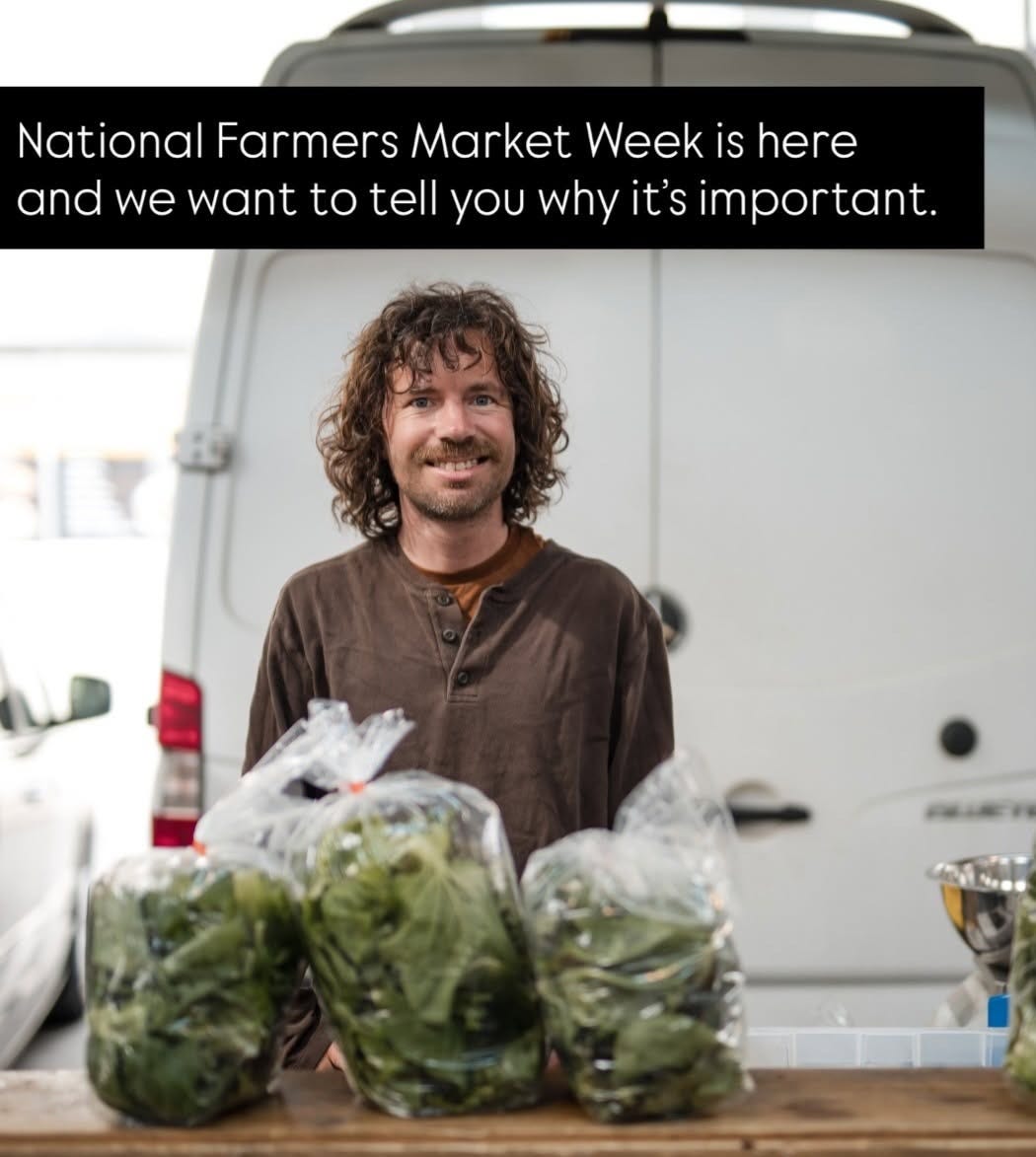
Why we need a National Farmers’ Market week
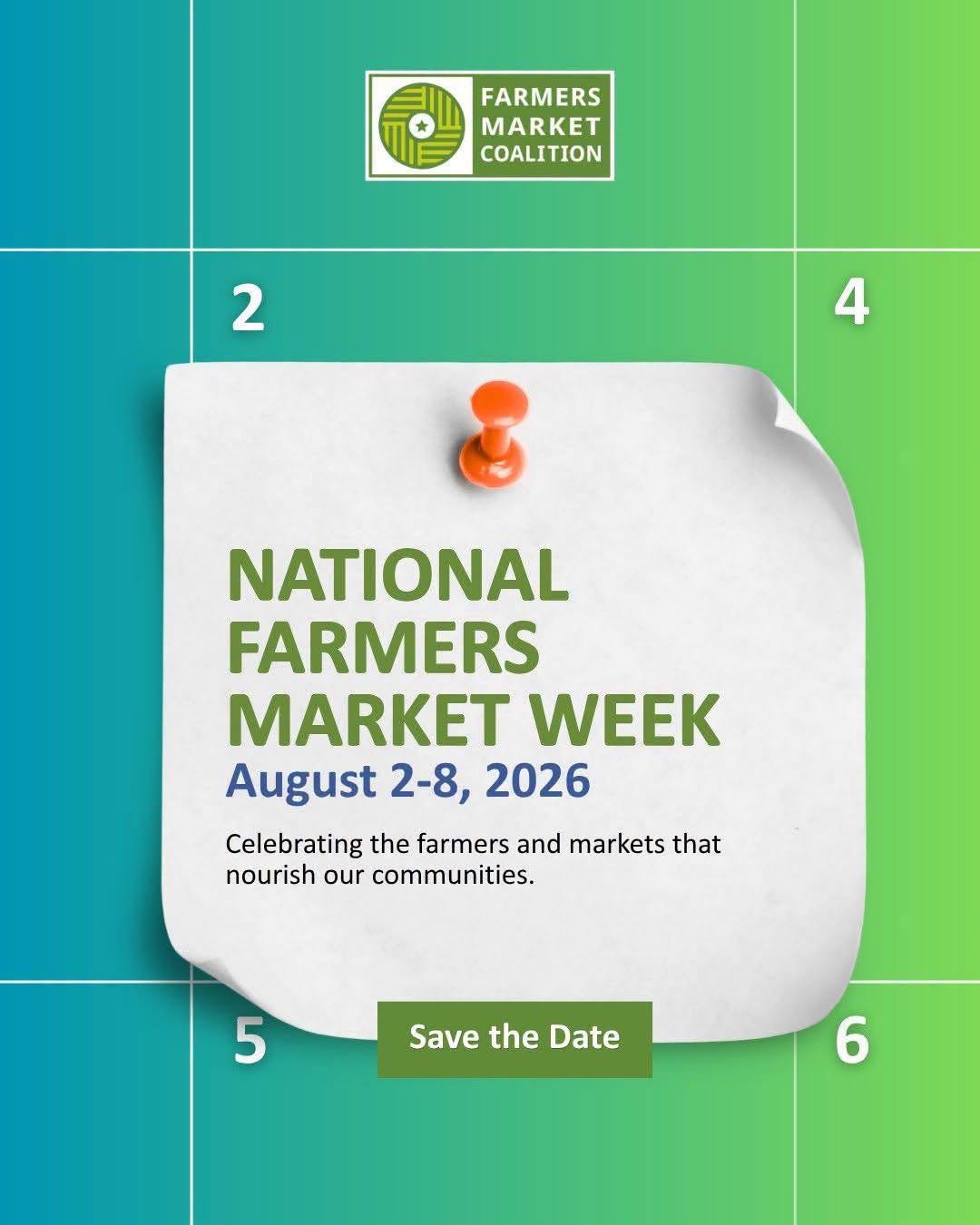
You’re more likely to be aware if you’re reading this in the USA or Canada. I doubt many people in the rest of the world know about this opportunity to connect with communities, and build relationships. I’m hesitant to write about it because I know that some people will find it trivial and unimportant. I’m here to say it’s not. A full farmers’ market shop might be beyond your budget. Support is just as important one item at a time. And it’s no reason not to write about one of the best ways of supporting farmers.
First declared by the Secretary of Agriculture (USDA) under President Bill Clinton in 1999, state farmers’ market associations used it to encourage local and regional proclamations and as a marketing hook. The national non-profit Farmers’ Market Coalition took the ball and ran with it, encouraging farmers’ markets across the country to use it to encourage press coverage and connect with policy makers. They provide a toolkit to help market managers do press outreach and aligned promotion.
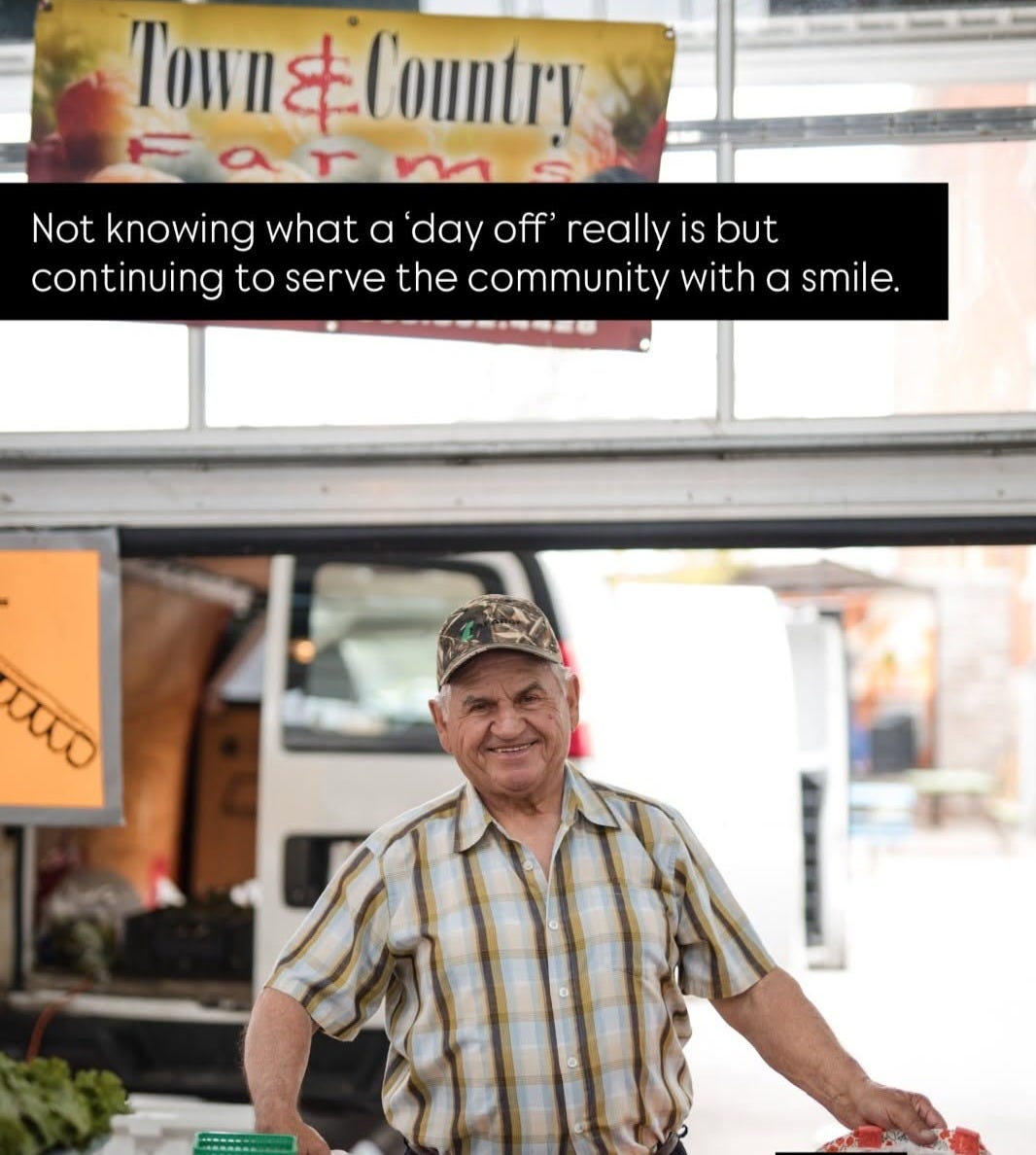
I asked Farmers Market Pros founder Catt Fields White to take us through the basics.
What does NFMW stand for in terms of importance for farmers and consumers?
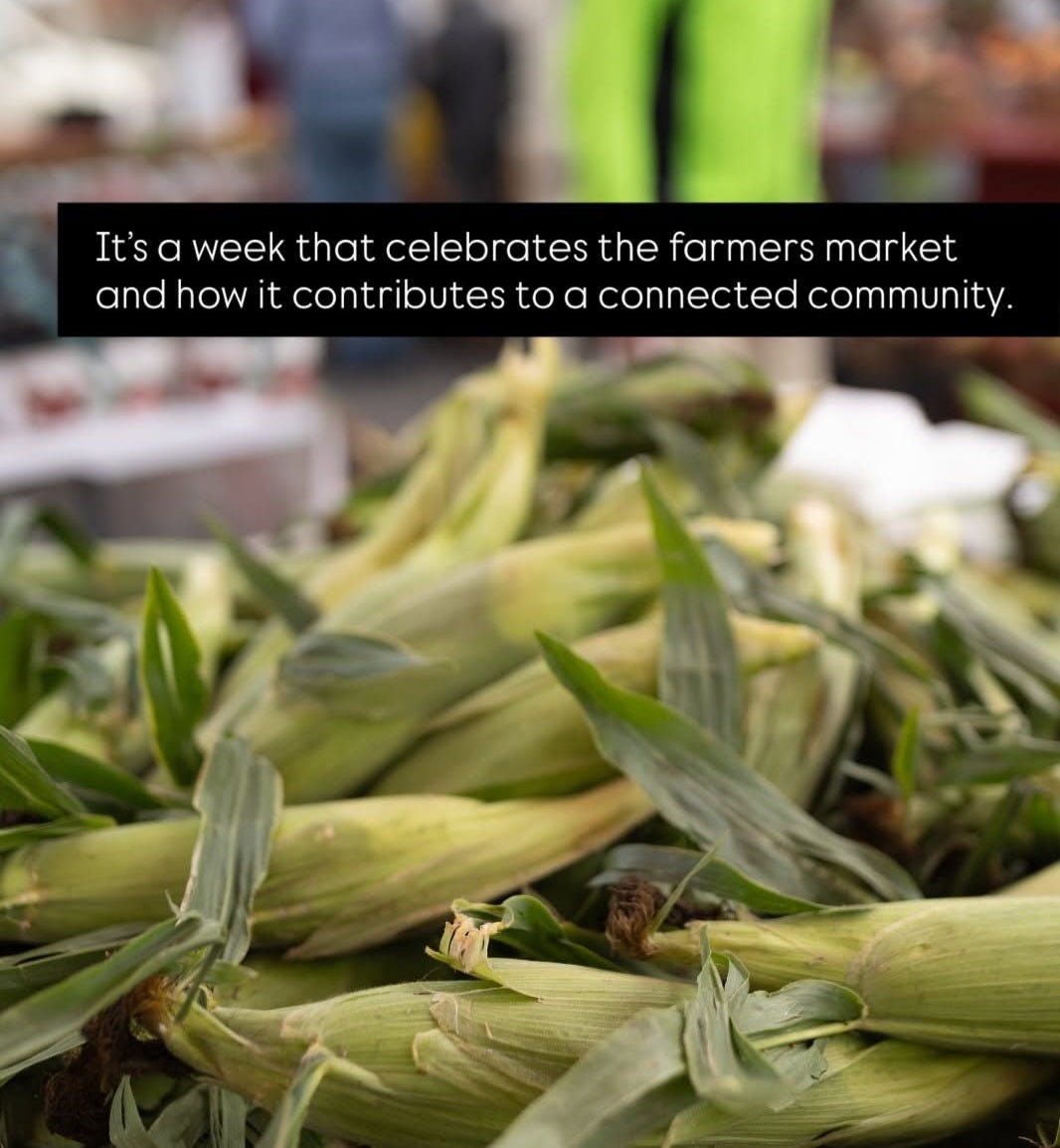
National Farmers Market Week is an opportunity to remind consumers of the importance of farmers markets, and an outlet for farmers and market operators to tell their stories. All of us celebrating during the same week can remind people that these local enterprises are part of a much larger national sector.
Was it difficult to get the US government to promote the first NFMW and does the USDA understand farmers’ markets and support them?
The USDA has done little more than issue an annual NFMW proclamation and they haven’t even done that since 2024. They don’t really promote NFMW.
The vast majority of the USDA’s resources are focused on commodity farmers. Their AMS (Agricultural Marketing Service) has been strong in some administrations and less so in others, and they’ve made efforts to understand farmers’ markets. They have a narrow view of how markets actually function and little oversight or authority, other than markets’ relationship to SNAP (nutrition incentives aka food stamps).
Why should people take NFMW seriously?
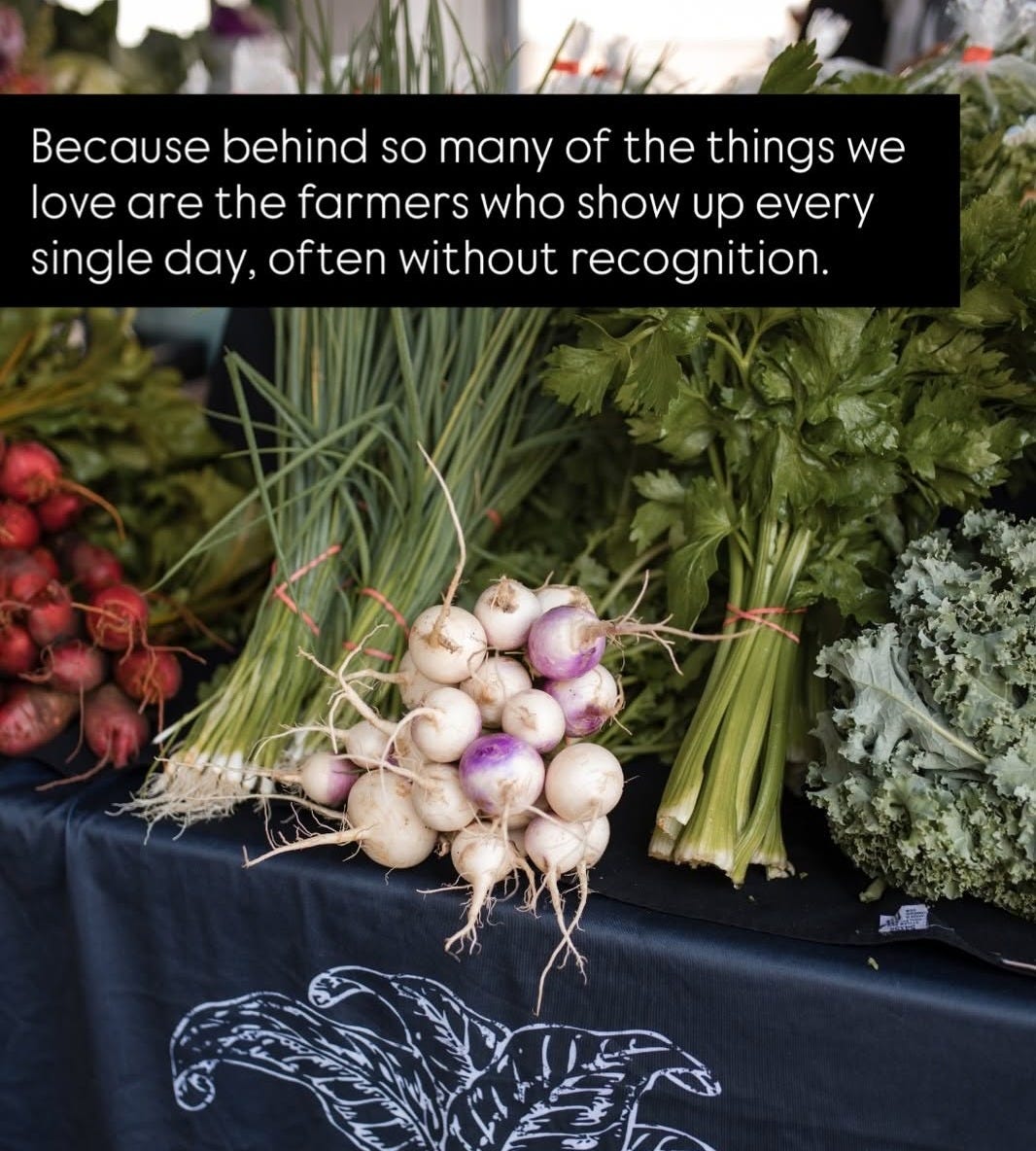
We should take every opportunity to amplify the strength of farmers’ markets, how essential they are to our food systems and to the financial viability of farmers.
Share a few figures with me that show the impact farmers’ markets have on local communities.
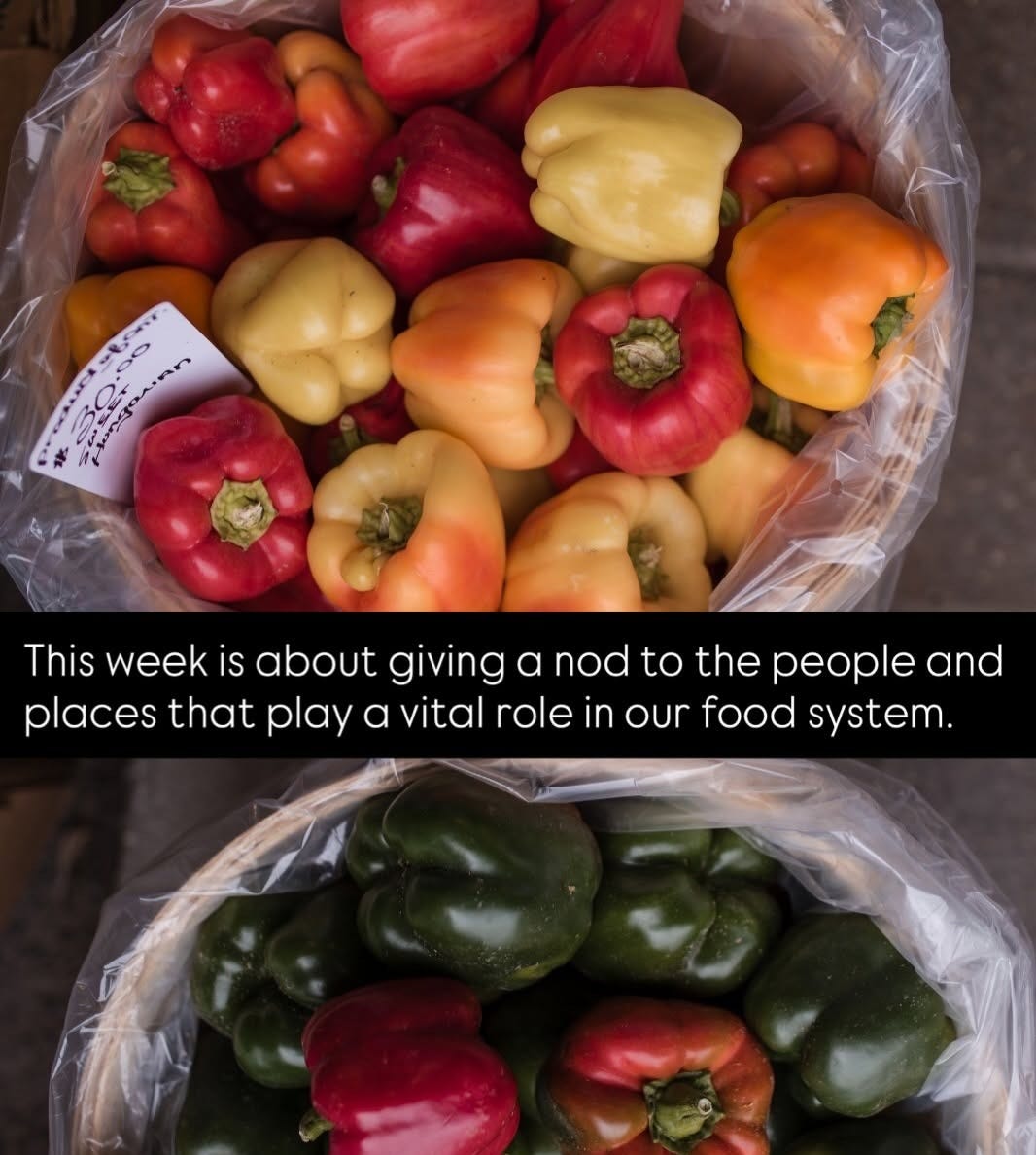
Forbes says farmers’ markets generate $3 billion in sales annually, FMC says $2+ billion - knowing as I do that farmers’ often under report I’d say it’s higher. There are also reports about adjacent economic impact.
3 key takeaways for NFMW:
Farmers’ markets are an essential link in a (currently weakened) food chain
No farms, no food (or beer, or wine for that matter)
Markets provide financial advantages that keep farmers farming and food tastes better here.
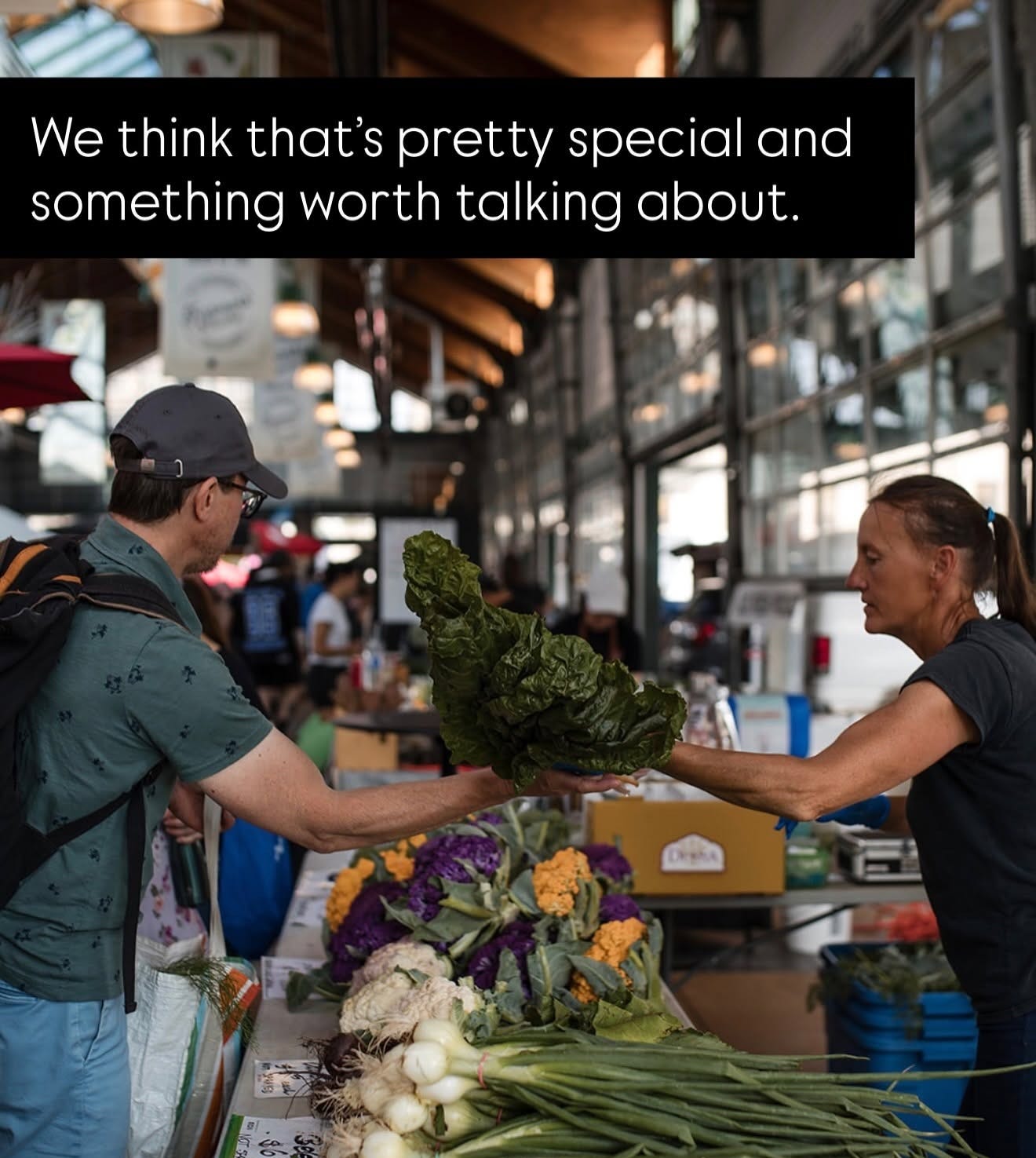
Given that there are less farmers’ markets here for people to take notice, let alone the government; any advice for the UK in setting up our own farmers’ market week?
Even a handful of farmers’ markets across the UK that banded together to align on communication and promotion could make a difference in public awareness. The challenges are the same as they are here: developing a common definition of farmers’ markets and consistent messaging, especially when doing outreach to policy makers.
If you’re in the USA, enjoy the week. We need a National Thank a Farmers Week in the UK AND a National Farmers’ Market Week. Farm24 has just ended as I write this, with shout outs from celebrities supporting farmers.
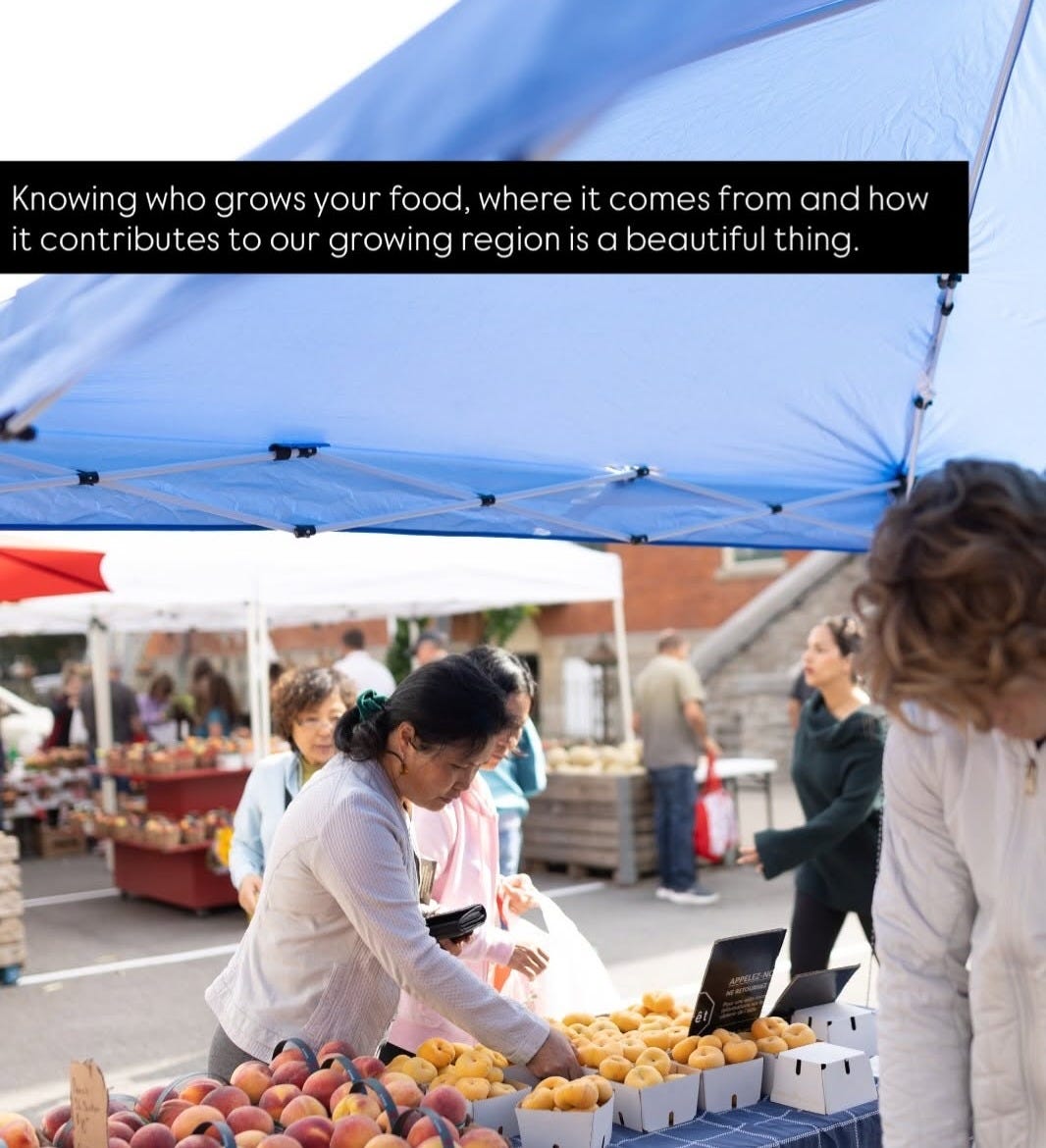
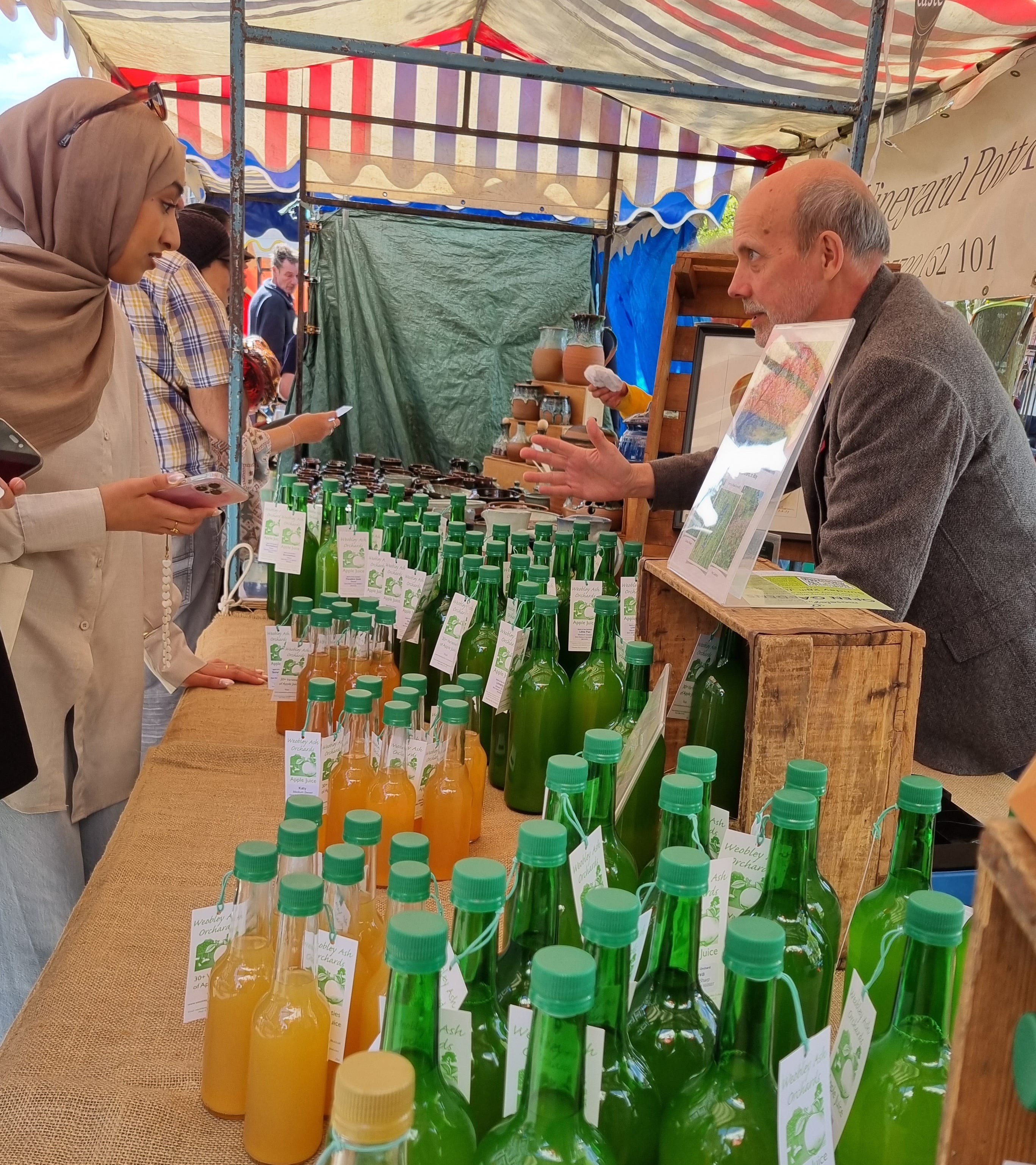
Even if you don’t have one, you can celebrate your local independent retailer whether it’s a farm shop, farmers’ market, CSA, whoever is producing on a local, small scale level and selling direct. Whilst it’s not the only answer it’s a good one. Learn about your local food system. Buy one thing if that’s as much as you can do; it all helps. Have a conversation with them; small scale, short chain selling is a lifeline, from their hands, to yours.
A really good and urgent read. I certainly feel for the farmers being tested more and more by such wildly unpredictable weather and, as you spell out so succinctly, the government are so out of touch, as they are with the problems facing restaurants.
Thank you for sharing my piece, I really appreciate it. And thank you for writing this so clearly, it’s one of the better summaries I’ve seen of how extreme weather turns into long-tail damage for farming, not just drought and fire in the moment, but feed shortages, water restrictions, stressed animals, and soils that struggle to carry the next season.
And yes to the practical call to action at the end. Farmers’ markets, farm shops, veg boxes, even buying one item direct, it’s not trivial. It’s one of the few ways ordinary people can keep money in local supply chains and show farmers they’re not invisible.